Are Everyday Toxins Affecting Your Fertility? 6 Environmental Factors Black Women Need to Know
 Lorna Phillip
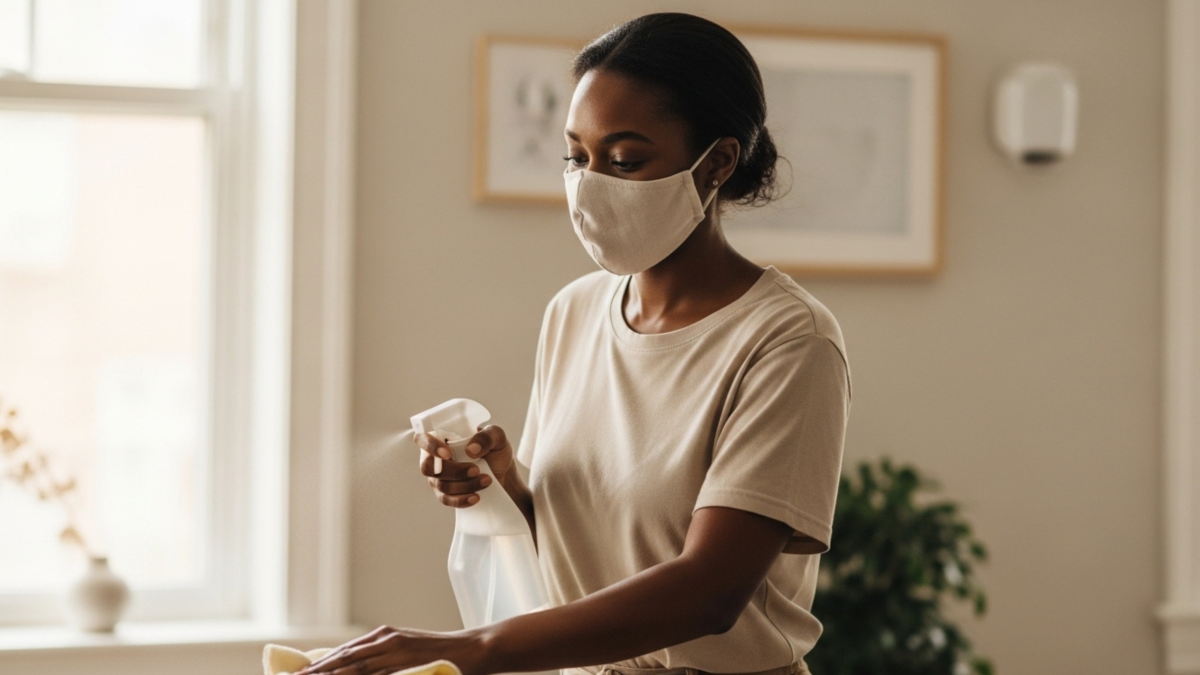
Discover gentle lifestyle swaps that can support hormone balance and a healthy path to conception.
When people start trying to conceive, most of the advice focuses on timing ovulation, taking supplements, and eating well.
All of these things matter. But there’s another piece of the puzzle that often gets overlooked: our everyday environment.
From plastics in our kitchens to the luxury perfumes we wear, many daily products contain chemicals that may influence hormone balance and reproductive health. Scientists have been studying these connections more closely in recent years.
The good news? You don’t need to overhaul your life overnight. Small, thoughtful changes can support your well-being and create a more nurturing environment for conception.
For Black and multiethnic couples, who sometimes face additional environmental stressors due to wider social and structural inequalities, these small changes can be a powerful way to support your fertility journey.
1. Plastics in Everyday Life
Plastic is everywhere, from food containers to water bottles. Some plastics contain chemicals like BPA and phthalates, which researchers have linked to hormone disruption and reproductive health concerns. Studies suggest these chemicals may affect ovulation, egg development, and sperm health. Again, the goal isn’t perfection; it’s reducing exposure where it’s easy to do so.
Simple swaps:
Store food in glass containers instead of plastic
Avoid heating food in plastic containers
Use glass or stainless steel water bottles
Choose wooden or stainless steel kitchen utensils
2. Strong Fragrances and Scented Products
Many perfumes, air fresheners, and scented candles contain chemicals that help the scent last longer. Some of these chemicals, particularly phthalates, have been studied for their potential impact on hormones and fertility. Research has linked higher phthalate exposure to lower sperm quality and hormonal changes.
Simple swaps:
You don’t need to give up fragrance entirely. You could try:
Fragrance-free skincare and body products
Natural candles made from soy or beeswax
Essential oil diffusers instead of air fresheners
3. Heavy Metals in Water and Food
Certain heavy metals, such as lead, mercury, and cadmium, can affect reproductive health if exposure is high over time. Studies suggest these metals may impact sperm health, egg quality, and hormone balance. They can enter our environment through air pollution, contaminated water, or certain foods.
Simple swaps:
Use a good-quality water filter at home
Limit fish that are high in mercury (like swordfish)
Wash fruits and vegetables thoroughly
Choose organic produce where it feels accessible
4. Cleaning Products Around the Home
Many household cleaners contain strong chemicals designed to remove grease and bacteria quickly. While effective, some ingredients have also been linked to hormone disruption. The encouraging part? There are now many gentler alternatives available.
Simple swaps:
Choose eco-friendly cleaning products
Try natural cleaning staples like vinegar, lemon, and bicarbonate of soda
Replace worn non-stick cookware with stainless steel or cast iron
5. Pesticides on Food
Some pesticides used in farming have been studied for their potential impact on reproductive health. Research has linked higher pesticide exposure with changes in fertility outcomes.
Easy ways to reduce exposure
Wash produce thoroughly before eating
Buy organic versions of high-pesticide fruits and vegetables when possible
Shop locally and seasonally when you can
Remember: eating fruits and vegetables is still incredibly beneficial, so don’t let worry stop you from enjoying them.
6. Air Quality and Fertility
Air pollution has also been studied for its potential effects on reproductive health. Some research suggests that higher exposure to fine air particles may affect sperm quality and fertility outcomes. While we can’t control outdoor air quality everywhere we go, there are small steps we can take to support cleaner air at home.
Supportive habits:
Open windows regularly to improve ventilation
Use a home air purifier if possible
Add houseplants that support indoor air quality
Supporting Your Fertility Journey Holistically
At Auré Assisted Fertility Care, we believe fertility care should support the whole person, not just the biology of conception. Our work with individuals and couples includes:
Emotional and therapeutic fertility support
Doula guidance throughout the journey
Holistic lifestyle conversations
Spaces to connect with others navigating similar paths
Because trying for a baby is not just a medical process, it’s also a deeply emotional and personal journey. And you deserve care, understanding, and support along the way.
BOOK IN for your free 30-minute consultation today to discuss how Auré can be of service to you.
SOURCES
Endocrine Society – Endocrine Disrupting Chemicals
https://www.endocrine.org/topics/edc
Microplastics and reproductive health research
https://pubmed.ncbi.nlm.nih.gov/30573085/
Phthalates and reproductive health
https://pubmed.ncbi.nlm.nih.gov/25727405/
Heavy metals and fertility
https://www.ncbi.nlm.nih.gov/books/NBK576379/
Pesticides and fertility research
https://pubmed.ncbi.nlm.nih.gov/27239737/
Air pollution and reproductive health
https://pubmed.ncbi.nlm.nih.gov/30682499/
Environmental justice and pollution exposure
https://www.epa.gov/environmentaljustice